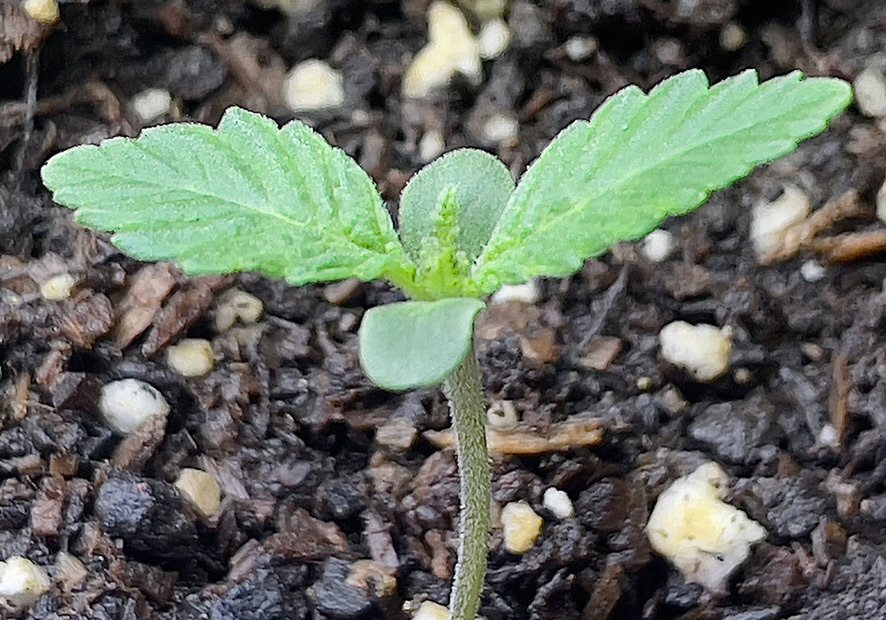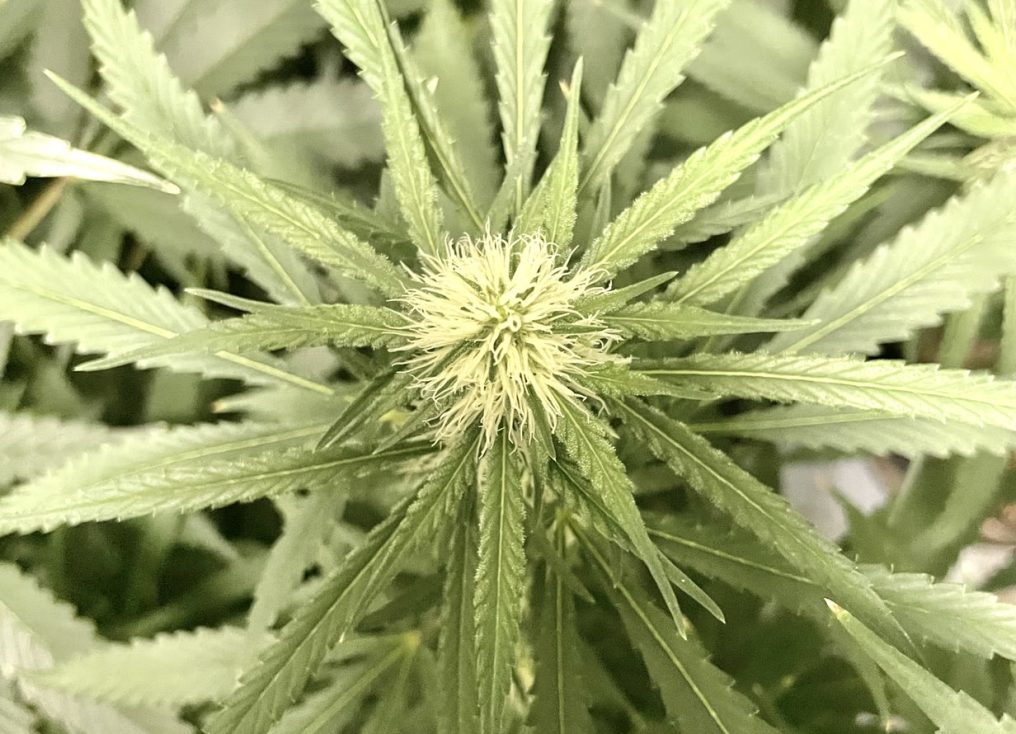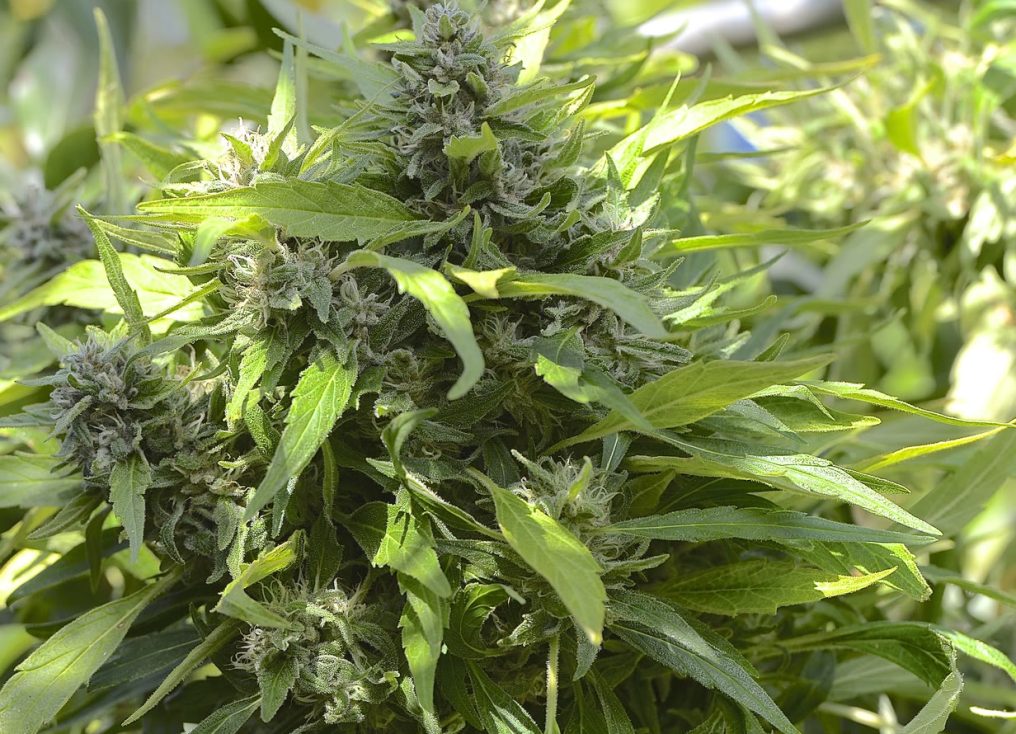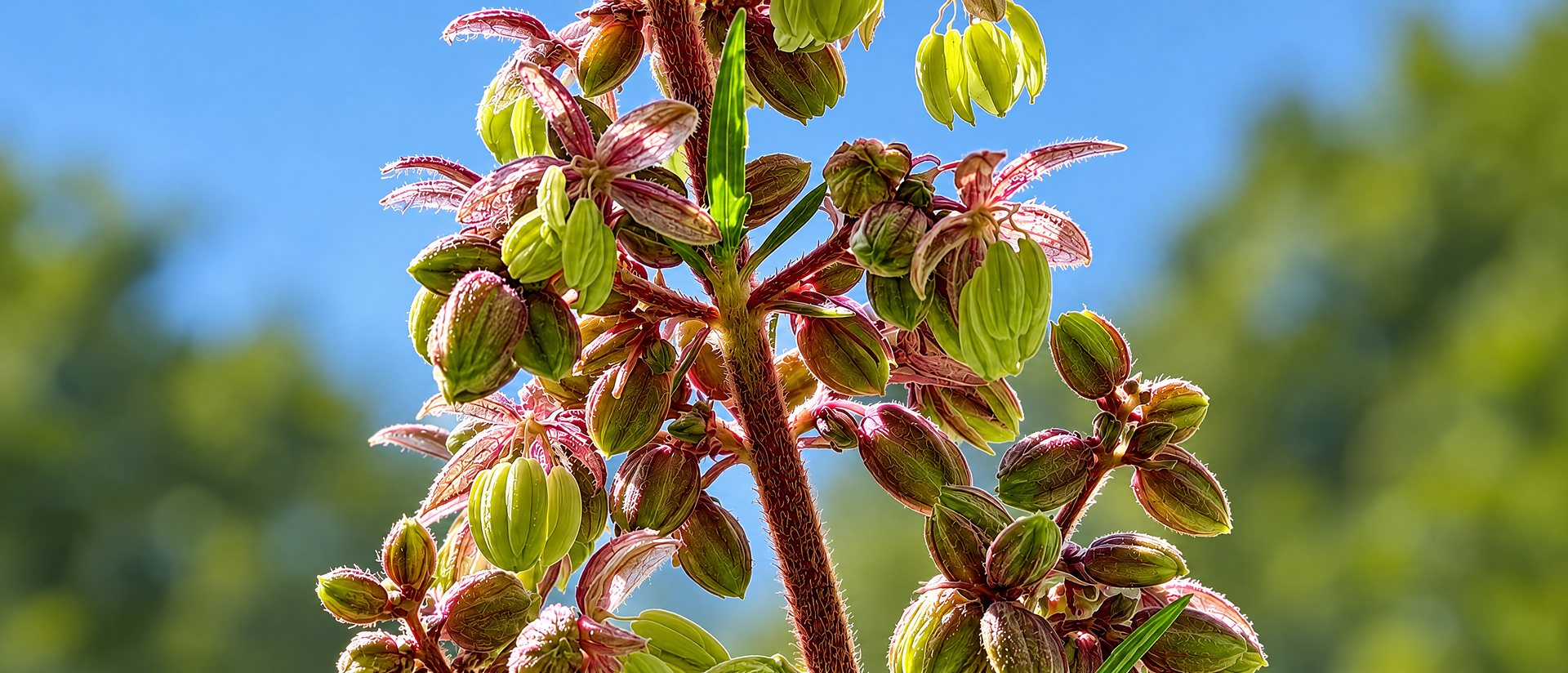
Structure. Vigor. Timing. Expression. Provenance.
Selecting the right father isn’t simply choosing pollen. It’s choosing which possibilities deserve to move forward.
In cannabis, attention has historically centered on the female plant. That’s understandable. Female flowers are what most people see, photograph, evaluate and ultimately associate with the plant.
But breeding tells a different story.
The male represents half of the genetic equation. What he contributes becomes part of the next generation and potentially generations beyond it.
Looking beyond the pollen
A male plant is more than a source of pollen. Breeders observe the plant itself: how it develops, how it expresses, its structure and vigor, the timing of reproductive development, and the history and provenance behind the genetics.
Not every characteristic can be understood by looking at a single plant, and not every answer arrives in one generation. Breeding is inherently an exercise in observation over time.
Every cross is a hypothesis. Every seed is a possibility. Every generation reveals more of the answer.
Preserving the paternal side
Preservation has to account for both sides of the genetic story.
Maintaining seeds is part of that work, but so is preserving and documenting paternal genetic resources. Pollen, parentage records, provenance and the relationships between generations can all contribute to maintaining the depth of a genetic collection.
Without that context, biological material can become disconnected from the information that gives it meaning.
For a genetic repository, that distinction matters.
The objective isn’t simply to accumulate material. It is to steward genetic resources in ways that preserve identity, diversity and future possibility.
The long view
A cross made today may not reveal its significance immediately. Its value may emerge through offspring, subsequent generations, scientific characterization or breeding work that hasn’t even been imagined yet.
That’s one reason genetic preservation and breeding are so closely connected.
Preservation protects possibility.
Breeding explores it.
Documentation helps ensure that what is learned along the way isn’t lost.
Male plants may rarely receive the spotlight, but their contribution is embedded in every seed that follows.
This is where preservation becomes breeding and breeding shapes what comes next.