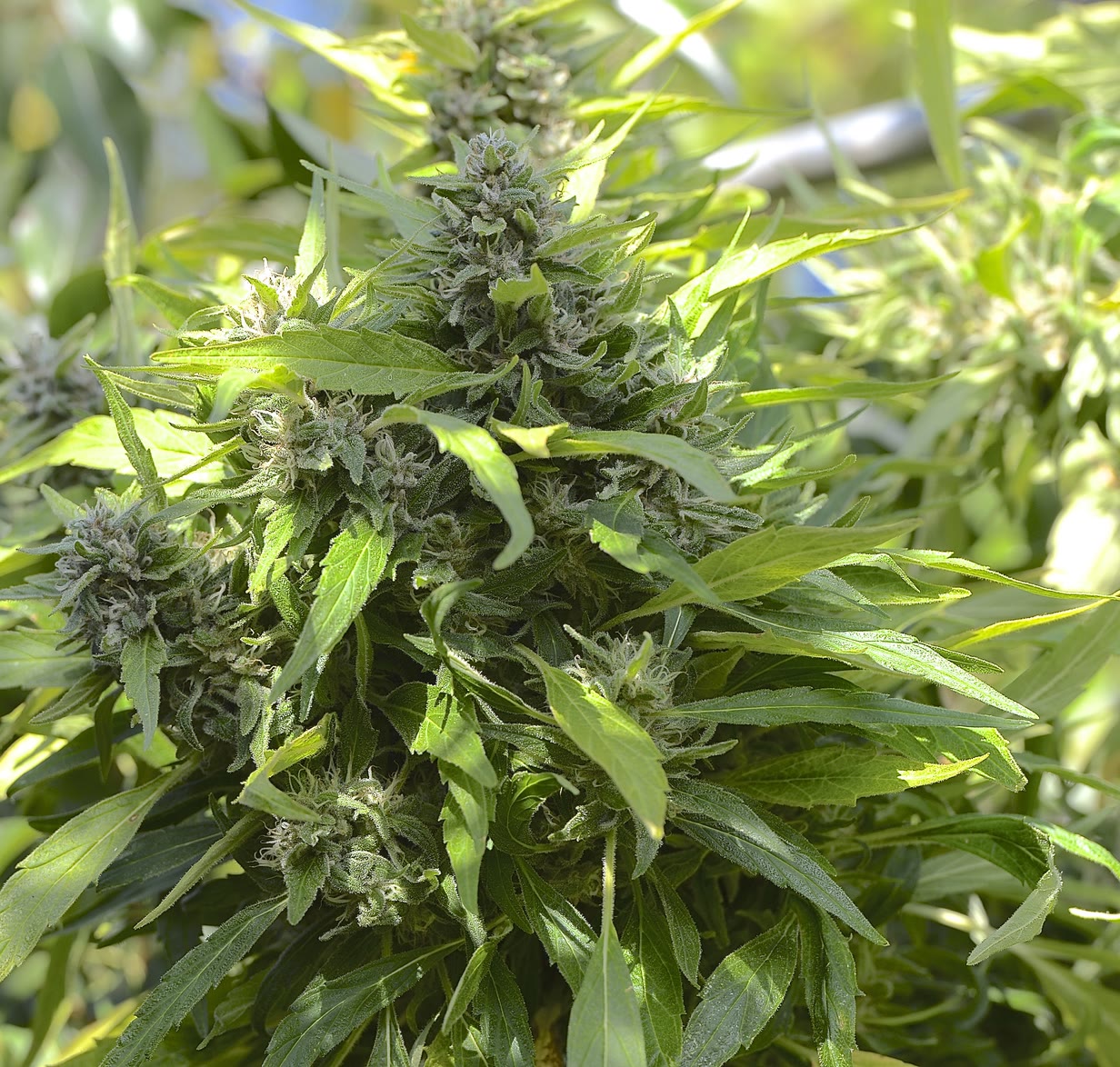
What the plant can teach us when we take the time to observe
Observation has always been one of the most important tools available to a plant breeder. Long before genetic sequencing, chemical analysis or many of the technologies available today, breeders learned by spending time with plants and watching what happened over the course of a season. That kind of observation remains an essential part of breeding because there are things a plant reveals while it is growing that cannot be fully understood from a seed, a photograph or a laboratory result alone.
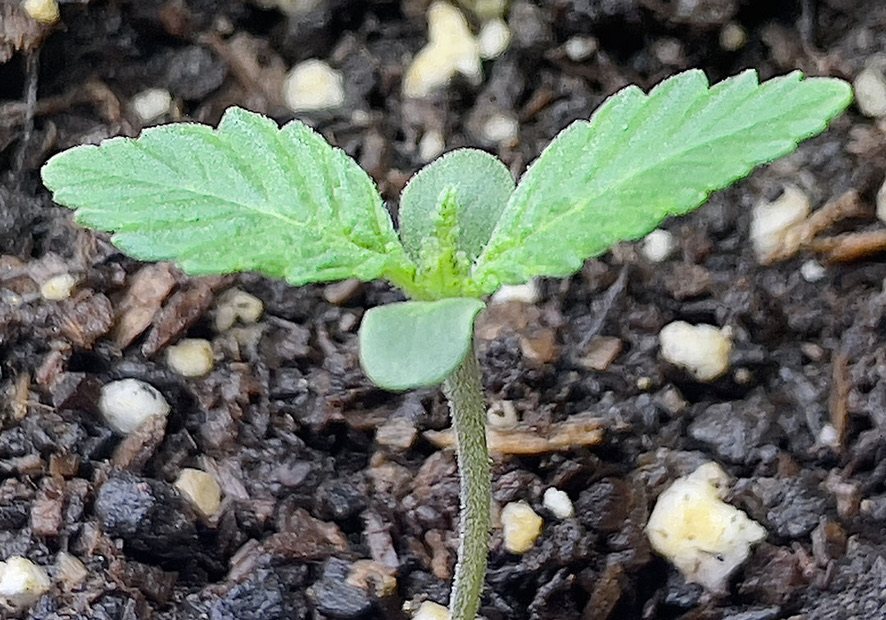
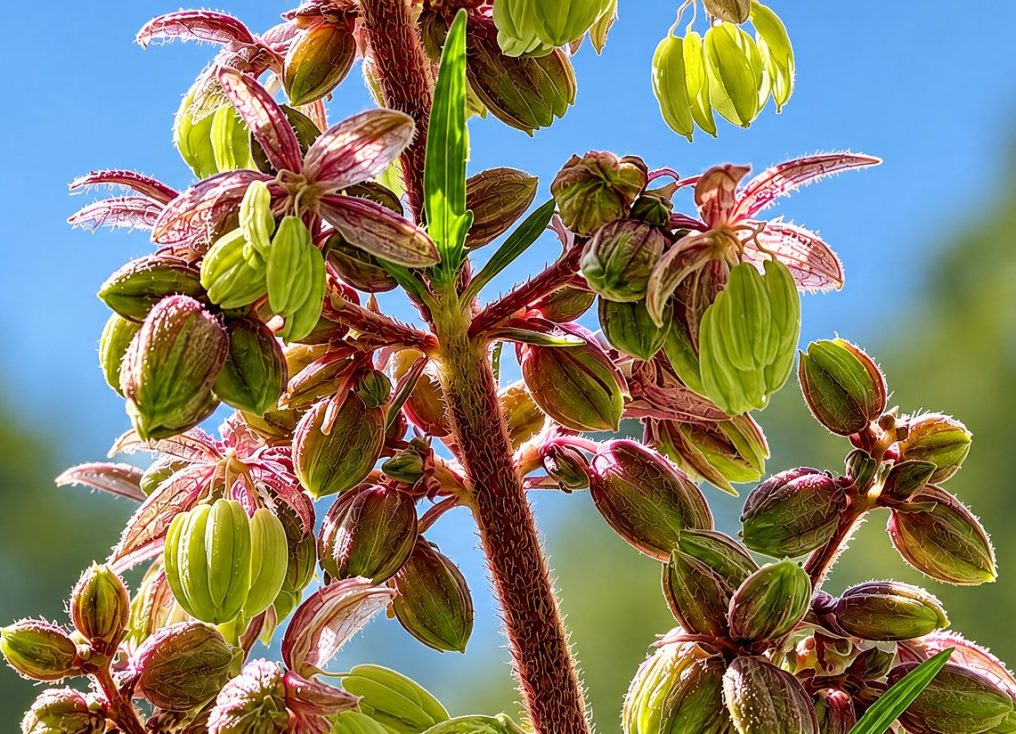
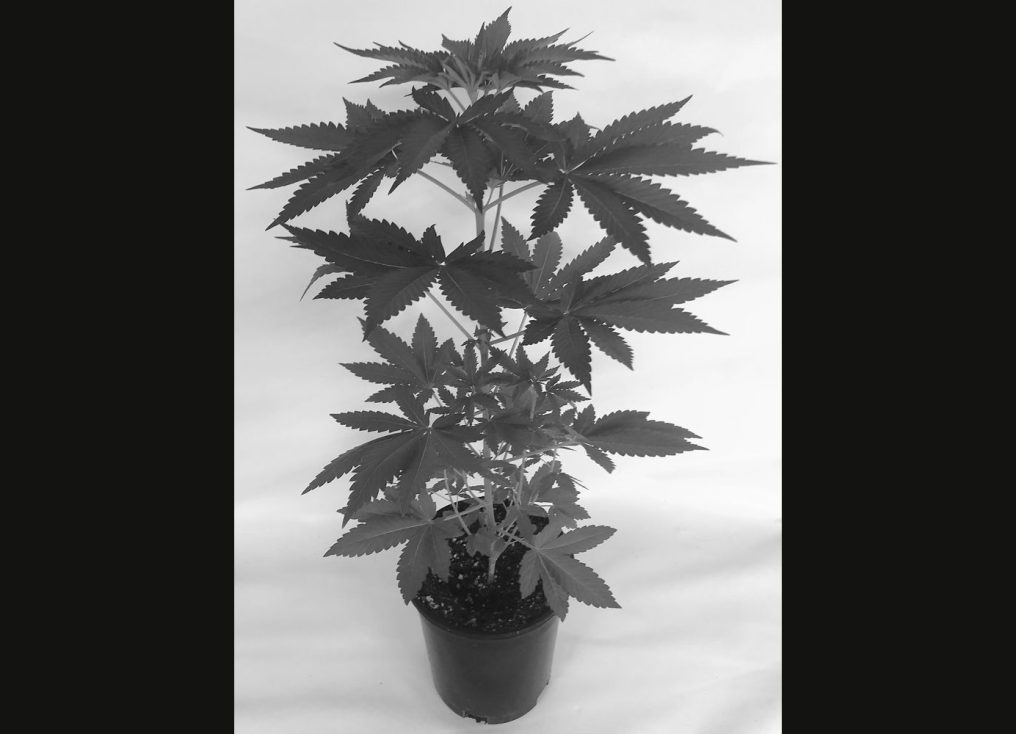
A growing season provides a window into how genetic material expresses itself under real conditions. Structure, vigor, growth patterns, flowering behavior, reproductive timing and response to environmental conditions all become part of what a breeder observes. Some characteristics may be expected based on previous experience with a line, while others may appear differently from one plant to another or from one season to the next.
Environment is part of that story. Genetics establish possibilities, but plants express those genetics within the conditions in which they are grown. Temperature, light, water, soil, nutrition, stress and other environmental factors can influence what we see in the field. The same genetic material grown in different environments may not look or perform exactly the same way, even though its underlying genetics have not changed.
That is one reason a single season can only tell us so much. Repeated observation creates context. When breeders work with genetic material across multiple seasons and generations, they begin to recognize patterns: characteristics that appear consistently, expressions that seem more dependent on environment and variations that may warrant a closer look. Experience does not eliminate uncertainty, but it gives the breeder a deeper reference point for interpreting what is happening in front of them.
At NorCal Seeds & Genetics, that kind of observation has accumulated across decades of breeding, cultivation, selection and preservation. The knowledge surrounding our genetics was not created all at once. It developed plant by plant, season by season and generation by generation as material was grown, evaluated, selected, crossed, preserved and sometimes returned to years later.
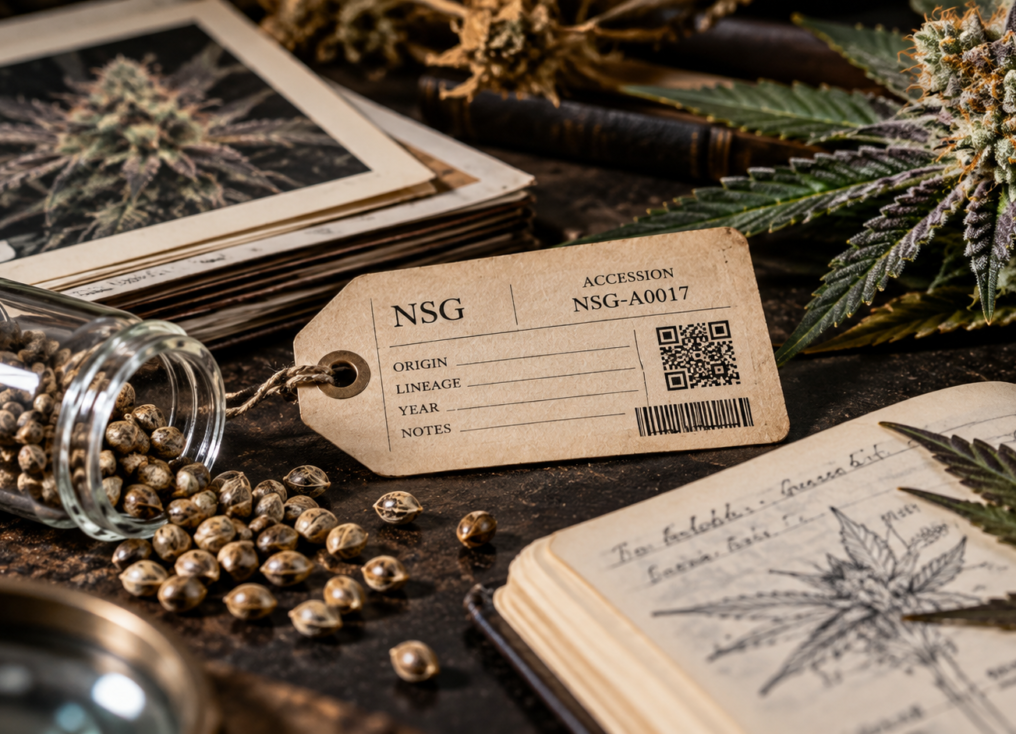
Increasingly, our work is about making sure that knowledge does not remain only in memory. Photographs, breeding records, provenance, lineage information and field observations can provide important context around a genetic resource. As we organize our repository at the accession level, those observations can become part of a larger record connected to the physical genetics themselves.
Scientific characterization adds another dimension, but it does not make field observation obsolete. Genetic analysis can help us investigate identity, relationships and diversity, while chemical analysis can provide information about compounds produced by the plant. Field observation asks different questions. It allows us to experience the whole plant as it develops and to document how genetic material expresses itself within a particular environment and season.
The real opportunity comes from bringing these forms of knowledge together. A breeder’s observations can provide context for scientific information, while scientific characterization can help investigate questions raised through years of working with the plants. Neither tells the complete story on its own.
For a genetic repository, preserving that accumulated knowledge matters because the usefulness of genetic material can extend well beyond the season in which it was grown. An observation made today may become relevant years later when the same accession is revisited, compared with related material or examined using tools that were not available when the original observation was made.
A season eventually ends, but what we learn from it does not have to. When observations are documented and connected to the genetics they describe, each season can add another layer to our understanding of the resource we are preserving.