Connecting genetics with the information that gives them meaning
A seed can preserve genetics, but an accession can preserve something larger: the genetics themselves, their identity, their history and the information that gives them context. That distinction is becoming increasingly important to the work underway at NorCal Seeds & Genetics as we continue documenting and scientifically characterizing the genetic resources preserved within our repository.
Across decades of breeding, cultivation, selection, acquisition and preservation, NSG has assembled and developed an extensive private repository that includes rare, legacy and proprietary genetics, breeding lines and preserved seed collections. The physical genetics are the foundation of that resource, but preserving the material alone does not capture everything that may be important about it. Where the genetics came from, how they were developed, what was selected along the way and what has been observed across generations can all contribute to understanding what has been preserved.
Cannabis has historically relied heavily on cultivar names to identify genetic material, but a name alone can tell us surprisingly little. The same name may be associated with different genetic material, while closely related genetics may carry entirely different names. As plants move through breeding and selection, genetic variation is also carried forward in different combinations from one generation to the next. A name may be part of the history, but it is not enough on its own to establish the identity or relationships of the genetic material behind it.
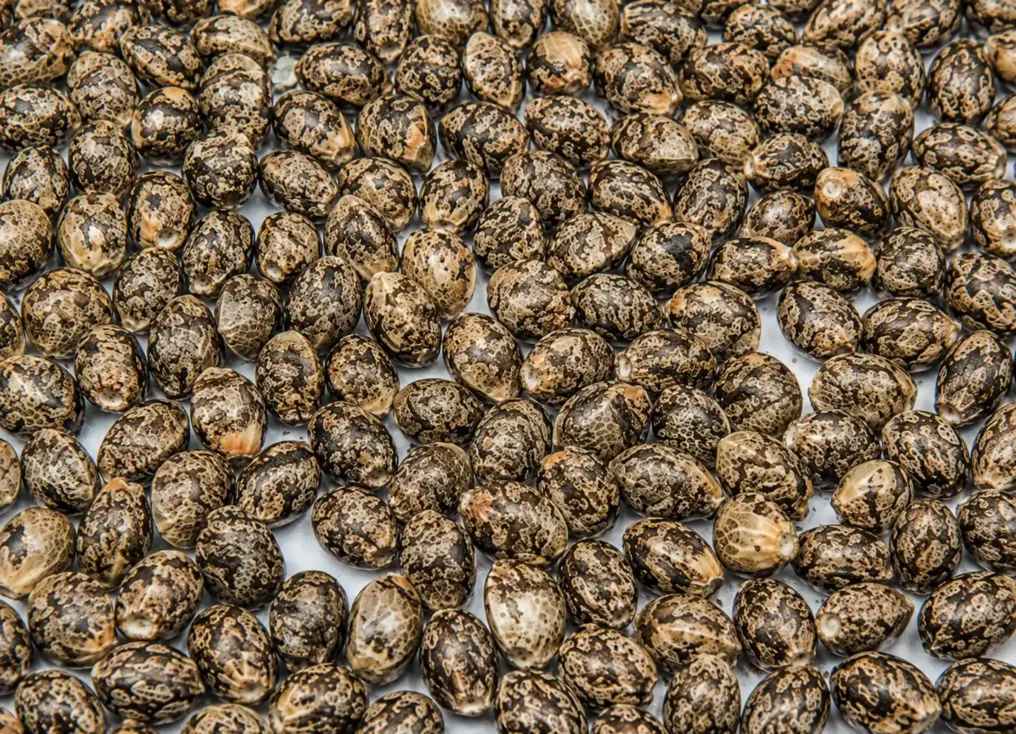
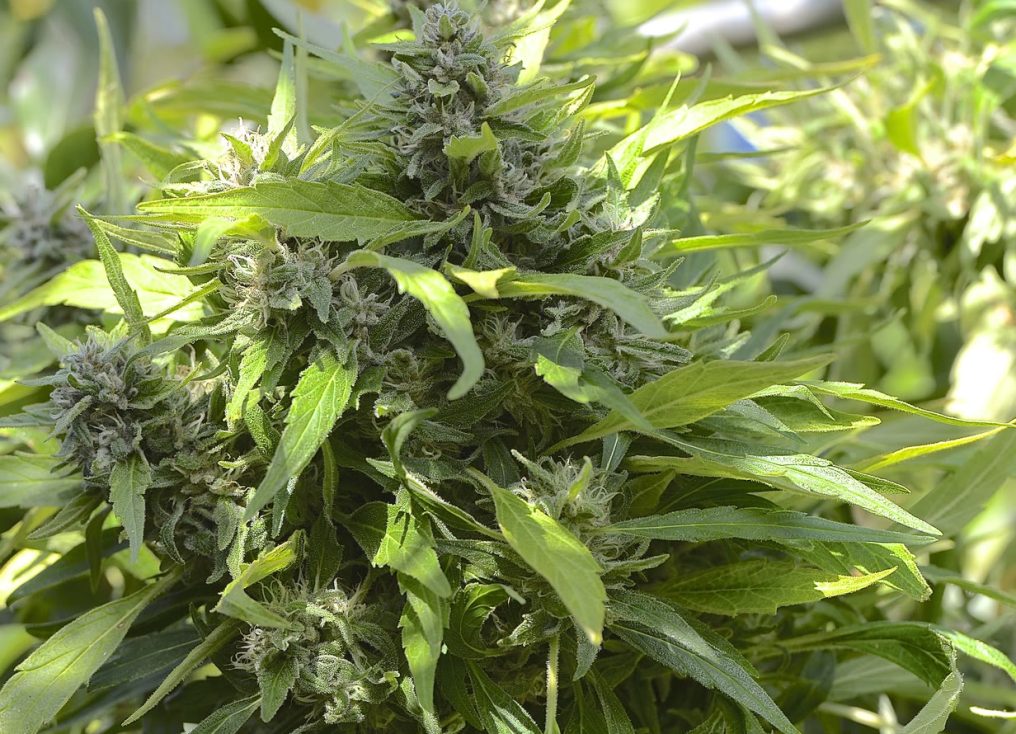
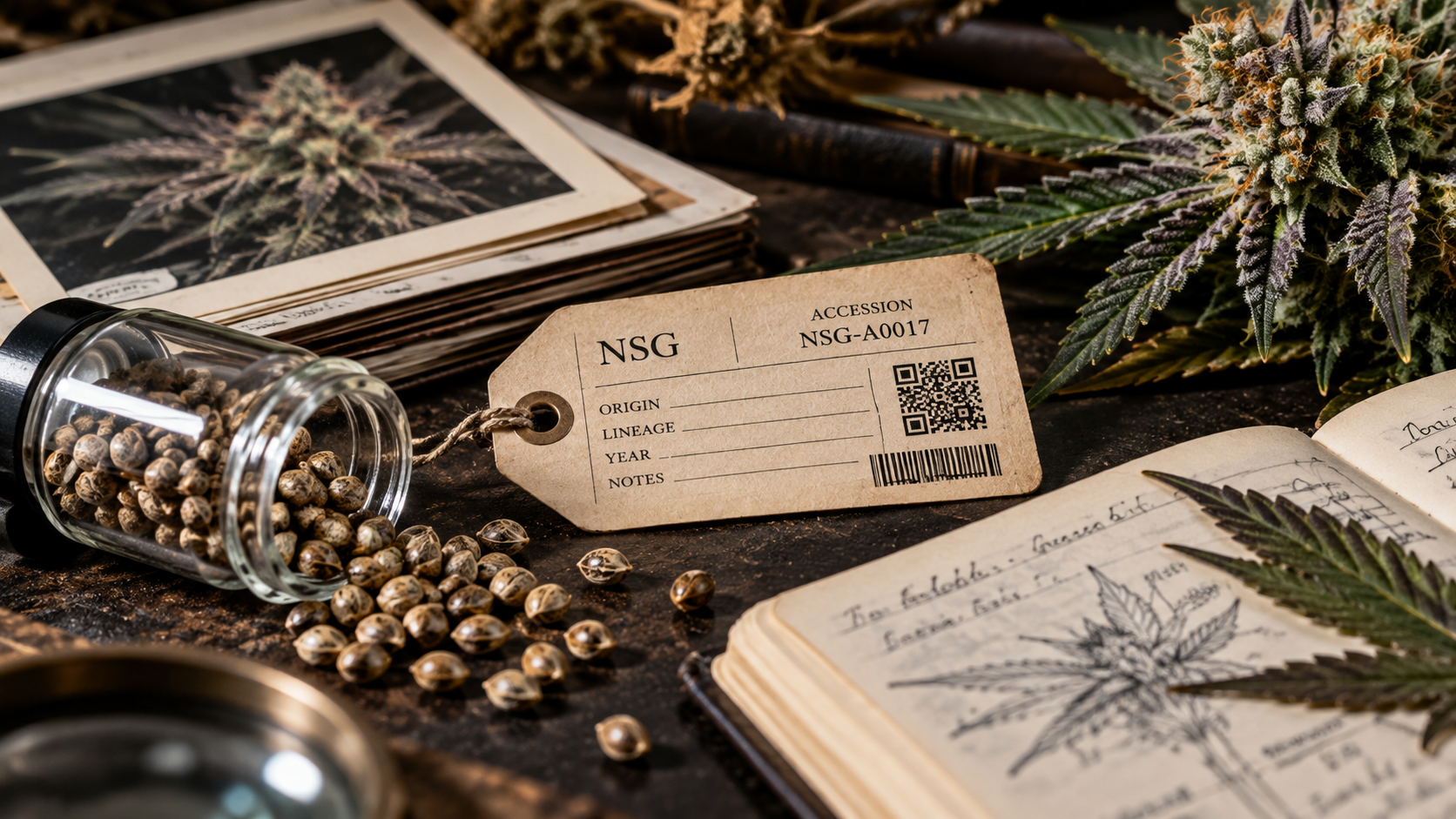
That is one reason NSG is increasingly documenting its repository at the accession level. An accession gives defined genetic material a stable identity within the repository and provides a point around which information can be organized over time. Depending on the accession and what is known or available, that information may include provenance, lineage, breeding history, photographs, cultivation and selection observations, preserved seed, plant material and scientific characterization.
Organizing genetics this way changes the questions we are able to ask. Instead of simply asking what a cultivar is called or where a packet of seeds is stored, we can begin asking where the material came from, how it was developed or preserved, what is known about its lineage, what observations were made along the way, what physical material remains and what new information can be connected to it as scientific work progresses. Structure is what allows a genetic resource to answer questions that may not even have been contemplated when the material was originally collected or created.
The information surrounding an accession does not necessarily arrive all at once. Provenance and breeding history may accompany the material from the beginning. Firsthand observations accumulate through cultivation, breeding and selection. Photographs, records and other documentation can be added over time, while scientific characterization may come later as technologies, resources and research questions evolve. Not every accession will have every layer of information, nor does it need to. What matters is creating a structure that allows what is known today, and what may be learned tomorrow, to remain connected to the same genetic resource.
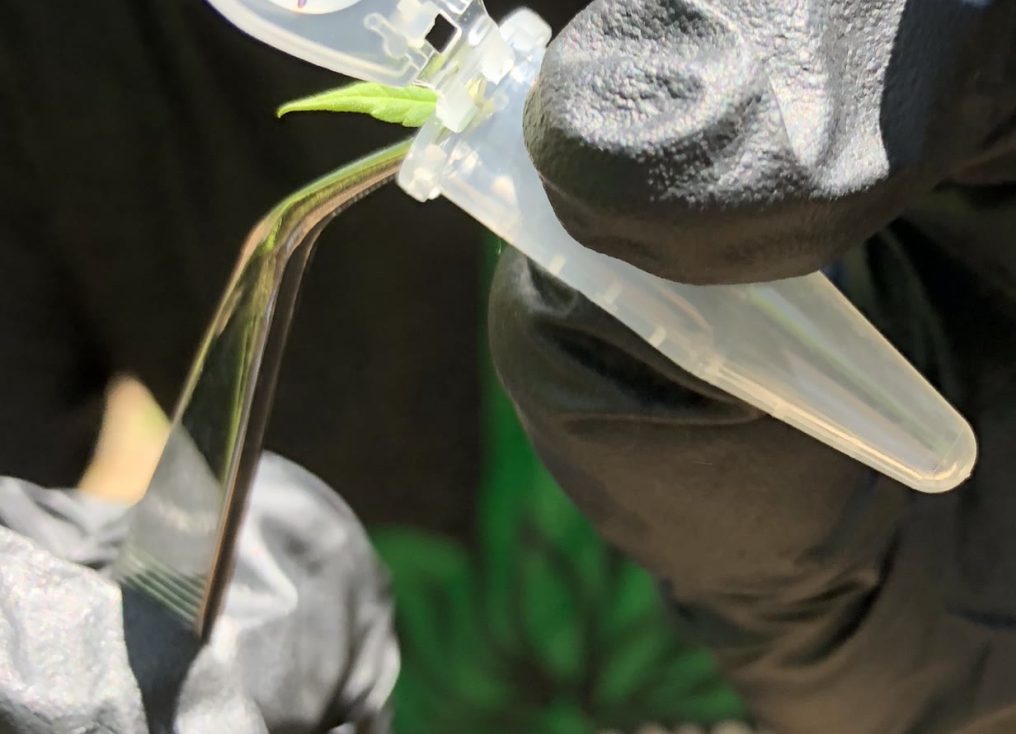
NSG is now extending this work through scientific characterization of selected accessions within the repository. Working with LeafWorks, we are connecting genetic analysis with accession-level records and physical genetic material. For selected accessions, the work includes material associated with breeding generations and samples from offspring, creating an opportunity to examine genetic relationships alongside the provenance, lineage and firsthand breeding knowledge already maintained by NSG.
Scientific characterization does not replace that history; it adds another form of evidence to it. A laboratory result becomes more meaningful when it can be connected to the correct genetic material and understood alongside what is already known about its origin, lineage and breeding history. In the same way, decades of firsthand breeding knowledge become more useful when organized in a structure that allows new scientific information to be incorporated as it becomes available.
The goal of accession-level documentation is therefore not simply to create a better inventory. It is to build knowledge around the genetics themselves. As additional observations, photographs, records and scientific information are generated, they can be connected back to a defined accession rather than existing as disconnected pieces of information. Over time, that creates something very different from a collection of seeds. It creates a genetic resource that can continue to be studied, compared and better understood.
Preservation protects the physical genetics, documentation preserves their context, and scientific characterization adds another layer of evidence. The accession provides the structure that connects those pieces and allows the resource to become more informative over time. For NorCal Seeds & Genetics, that is an important part of moving beyond simply preserving genetics toward understanding more fully what has been preserved.