Understanding what moves from one generation to the next
Every generation of a plant carries something forward. Genetics, certainly, but a lineage also reflects decisions made along the way: which plants were selected, which were not, which characteristics appeared, which crosses were made and what breeders chose to carry into the next generation. Over time, those decisions become part of the history of the genetic material itself.
At NorCal Seeds & Genetics, much of that knowledge has accumulated across decades of breeding, cultivation, selection and preservation. Some of it is recorded in pedigrees and breeding records, while some comes from firsthand experience working with the plants themselves. Together, those pieces help provide context for understanding how a genetic resource came to exist in its present form.
Cannabis lineage is often presented as a family tree, with one cultivar crossed to another to produce a named descendant. Pedigree is useful, but it does not tell the entire story. Plants produced from the same parents are not necessarily identical. Sexual reproduction reshuffles genetic variation, which means siblings can inherit different combinations of genetic material from the same parental sources. A cultivar name or written pedigree may describe where a line came from, but it cannot by itself describe everything that was inherited or how selection shaped what followed.
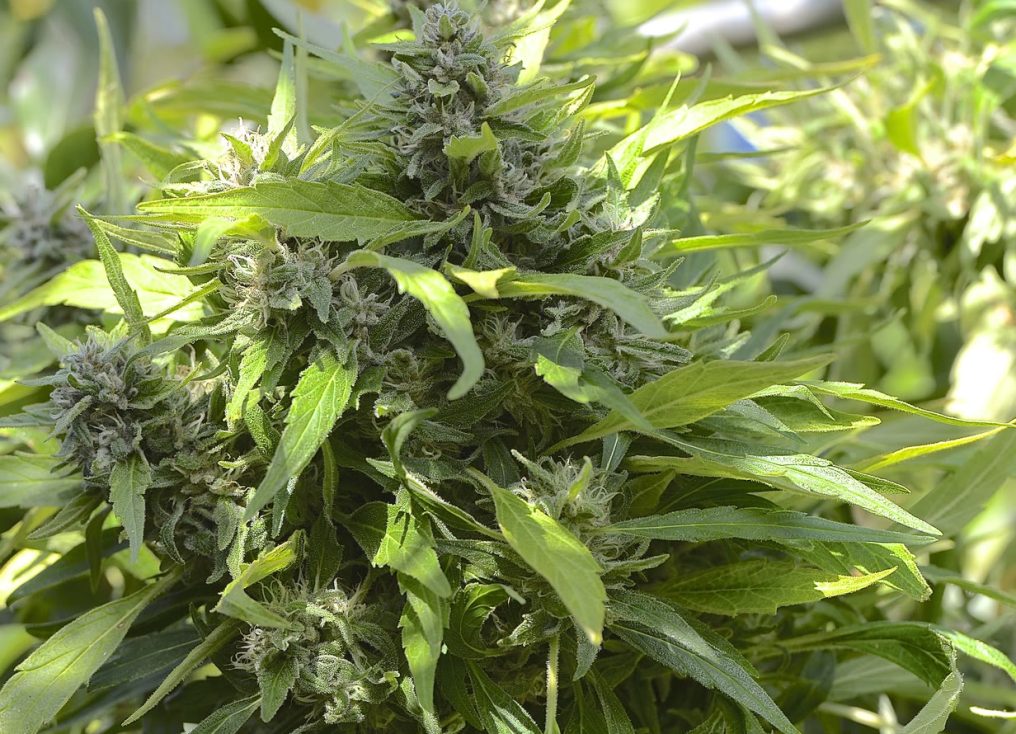
Breeders add another layer to that history. Each time a plant is selected to continue a line, a decision is being made about what may move forward. Structure, vigor, flowering behavior, aroma, chemical expression and other characteristics may influence those decisions, depending on the objective of the breeding project. Sometimes a breeder is working toward greater consistency for particular traits. At other times, an unexpected expression may reveal something worth exploring that was not part of the original plan.
This is why lineage is both biological and human. Genetics determine what variation is possible, while breeding decisions influence which portions of that variation continue into subsequent generations. Over years of selection, reproduction and preservation, those two forces become intertwined.
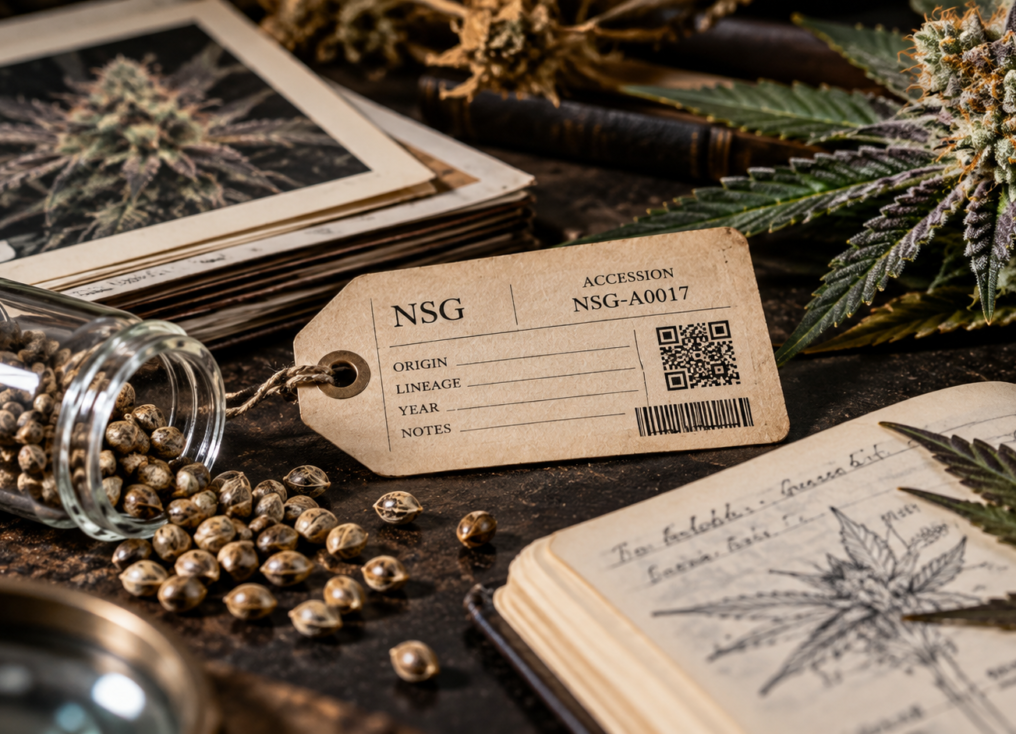
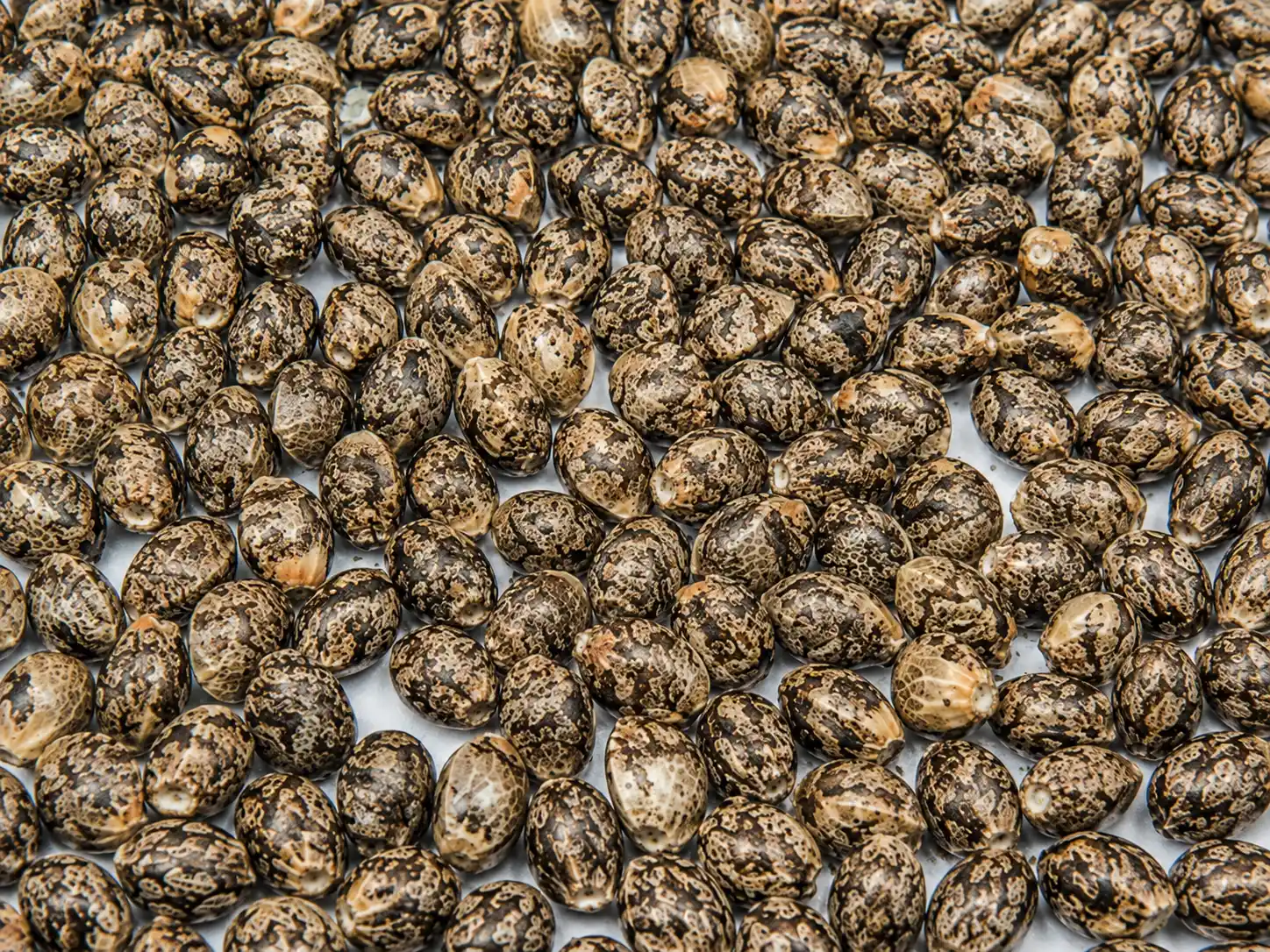
Understanding that history becomes particularly important when working with older, uncommon or proprietary genetics. Many of these resources were developed long before genomic characterization became readily available to cannabis breeders. Their histories may therefore exist across physical seed collections, breeding records, photographs, pedigrees and the firsthand knowledge of the people who worked with them. Preserving the genetics without preserving that surrounding knowledge can mean losing part of the resource even when the seeds themselves survive.
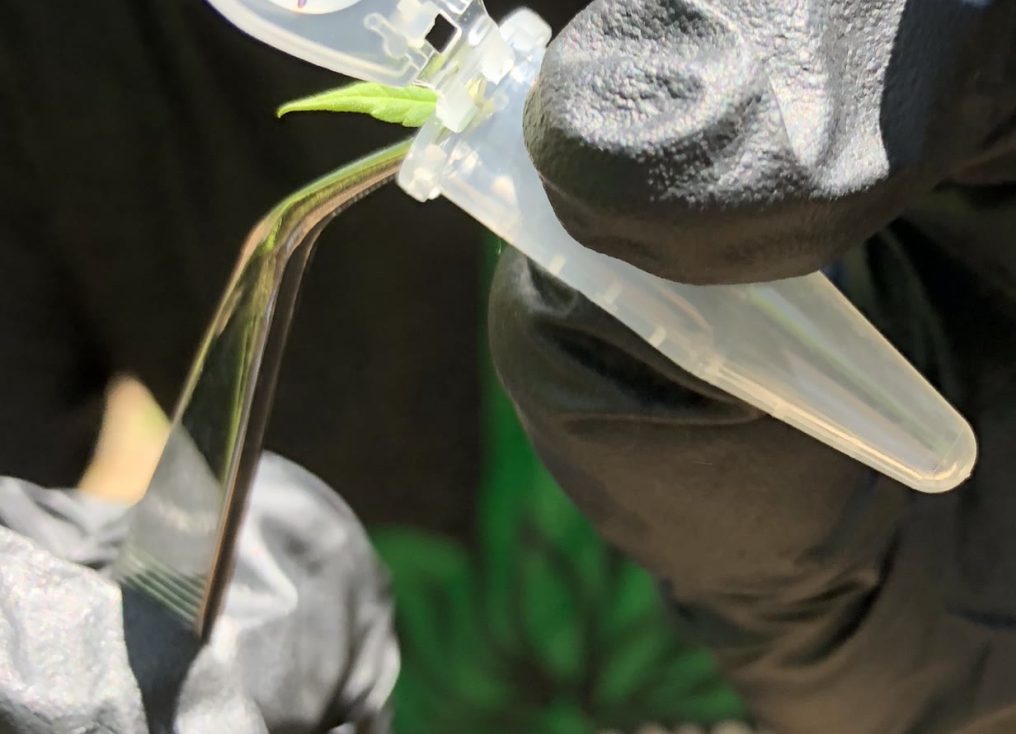
Today, we have an opportunity to add another form of evidence to those histories. NSG is working with LeafWorks to scientifically characterize selected accessions within our repository, including material associated with breeding generations and samples from offspring. By connecting genetic analysis with accession-level records, lineage and breeding knowledge, we can begin examining biological relationships alongside the history that has been documented through years of working with the material.
Scientific characterization does not rewrite a lineage, nor can it reconstruct every decision that produced it. What it can do is contribute additional information about genetic identity, relationships and diversity that could not have been observed in the same way when many of these lines were originally developed. That information becomes more meaningful when it remains connected to the physical genetics and to what is already known about their history.
For NSG, this is one reason lineage and accession-level documentation are so closely connected. An accession gives genetic material a stable identity within the repository, while lineage helps explain where that material came from and what preceded it. As new observations and scientific information are added, those relationships can become more deeply documented rather than existing as separate pieces of information.
The importance of that work extends beyond understanding the past. Knowing what has been carried forward can help inform what may be possible in the future. Genetic material preserved years or even decades ago may become relevant to breeding questions that did not exist when it was originally collected or developed. New scientific tools may reveal relationships that could not previously be examined, while future breeders may see possibilities in the material that earlier generations did not pursue.
Lineage therefore represents more than a record of parentage. It is a history of inheritance, variation, observation and selection carried across generations. Preserving that history alongside the genetics gives future breeders and researchers a stronger foundation for understanding what exists today and for exploring what those genetic resources may still have to offer.