Scientific characterization does not replace what a breeder knows. It asks the same genetic material a different set of questions.
Two Ways of Reading the Same Plant
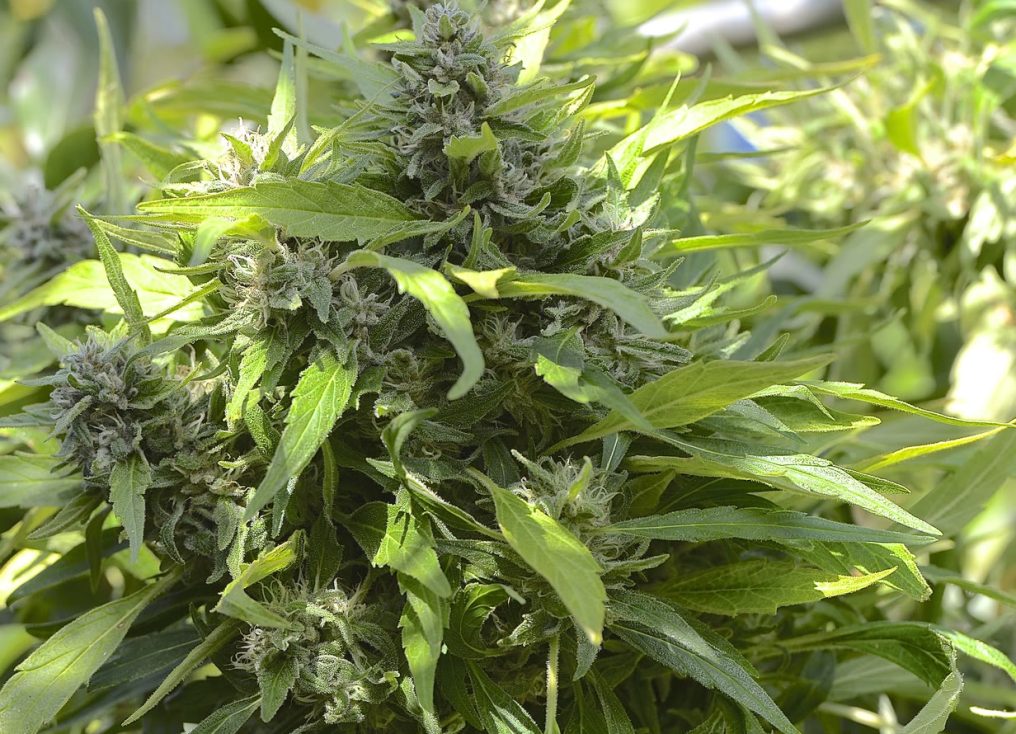
For decades, breeders have learned from plants through direct observation: structure, vigor, flowering behavior, aroma, resin production, environmental response and the characteristics that appear, disappear or change across generations. That accumulated knowledge remains fundamental to breeding.
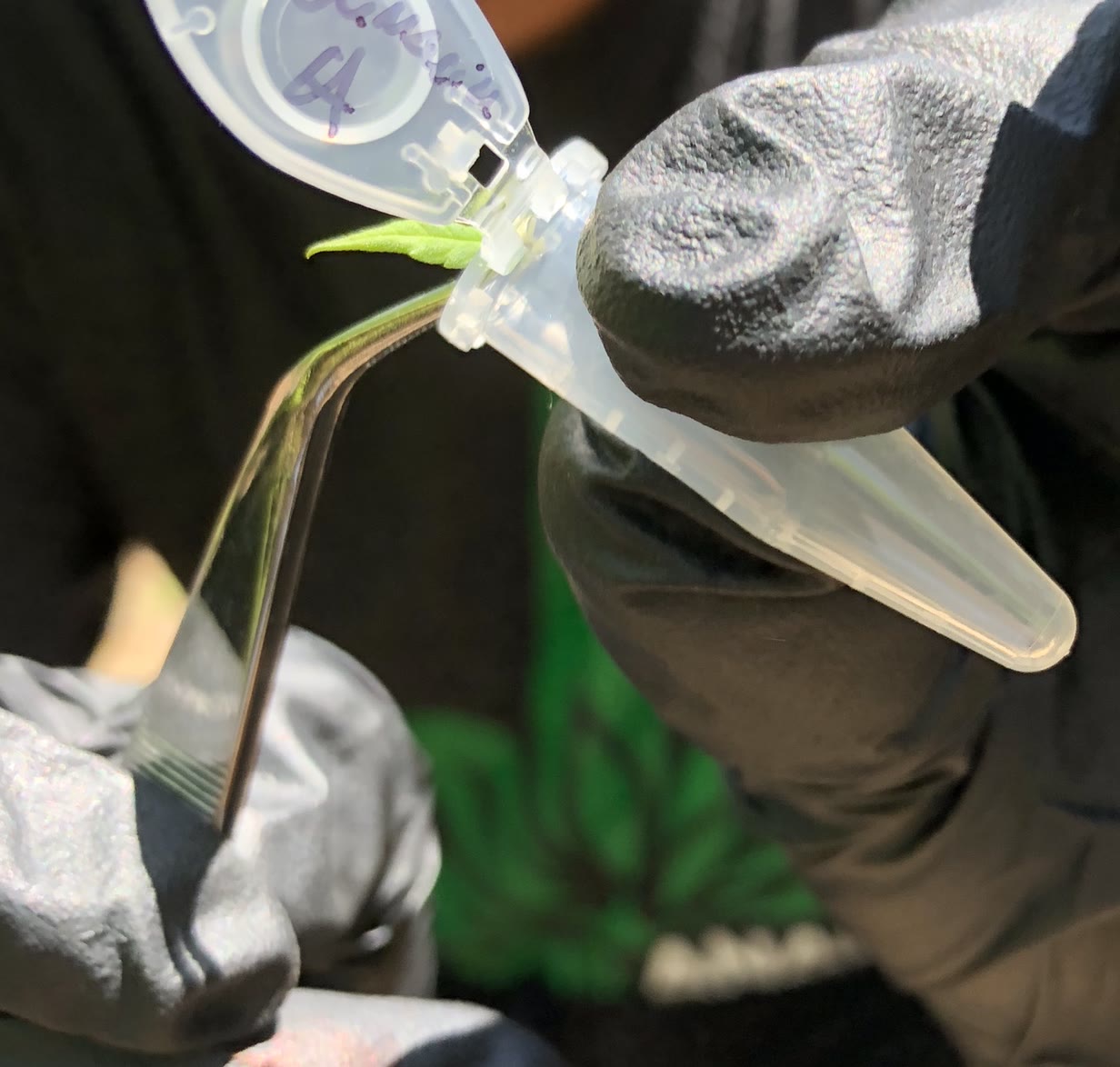
Scientific characterization offers another way of examining the same genetic material. Genomic, chemical and phenotypic information can provide additional evidence about identity, relationship, variation and expression. Each describes a different aspect of the plant, but none alone provides the whole description.
When scientific evidence aligns with breeding history and observation, it can strengthen what is already known about a genetic resource. When it does not, the difference can be equally informative because it creates another question to investigate.
Characterizing an Accession
At NorCal Seeds & Genetics, characterization is connected to the accession itself.
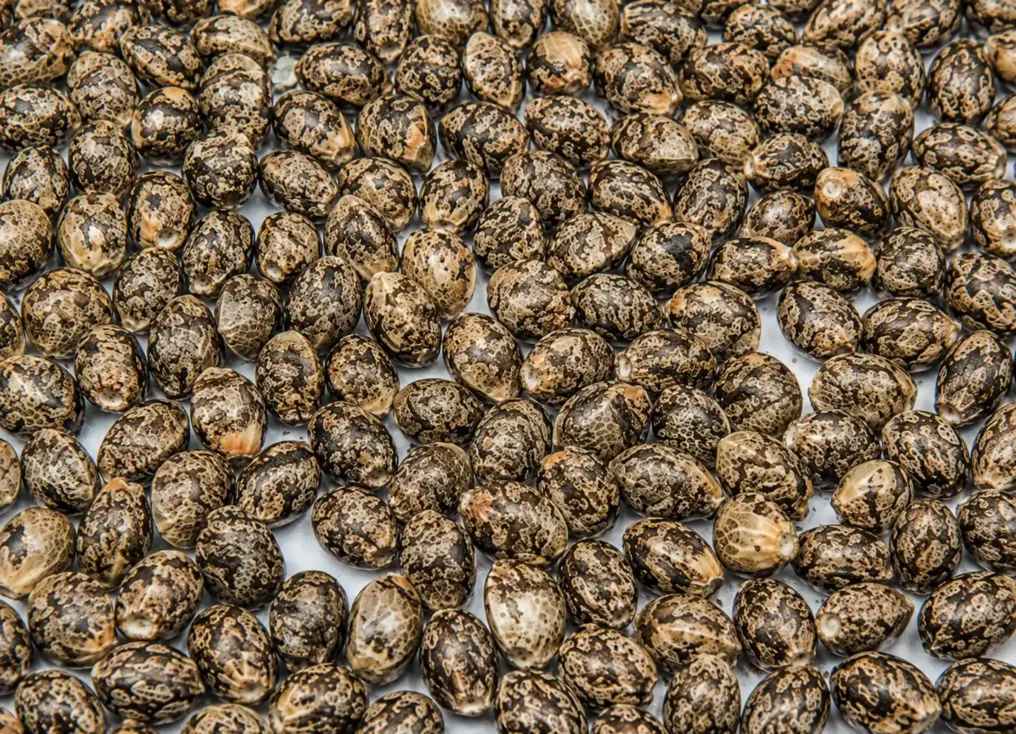
An accession provides a stable identity around which different forms of information can accumulate: physical genetic material, provenance, lineage, breeding history, photographs, breeder observations and, where available, scientific data.
That context matters. A laboratory result can tell us something important about a sample, but it becomes more useful when it can be connected to known genetic material and interpreted alongside what is already known about its history.
The same is true of a cultivar name. A name can tell us how genetic material has been known or described, but the name alone cannot document the complete biological or breeding history behind it.

Following Genetics Across Generations
Breeding allows us to ask questions that extend beyond a single plant.
Parents, offspring and subsequent generations can provide different views of inheritance and variation. Characteristics may appear consistently, segregate among siblings, change across generations or emerge in combinations that were not immediately apparent in the parents.
For selected accessions, NSG’s current characterization work includes material associated with breeding generations and samples from offspring. The objective is to build evidence around these genetic resources while maintaining their connection to lineage, provenance and the breeder observations that preceded the scientific work.
This is an important distinction. Characterization is not being applied to genetic material in isolation. It becomes another layer of information connected to the accession and its existing record.
Evidence, Not Verdict
Characterization is best understood as accumulating evidence rather than settling a question.
Genomic analysis can provide one form of evidence. Chemical characterization can provide another. Phenotypic observation provides another. Provenance, lineage and documented breeding history provide additional context.
Considered together, independent lines of information can create a more complete record than any one of them can provide alone.
It is also important to distinguish between research underway, a capability being developed and a finding that has been demonstrated. Those are different stages of scientific work, and NSG treats them accordingly.
Our characterization work is ongoing. As additional evidence is developed, it becomes another layer in the record surrounding the physical genetics themselves.
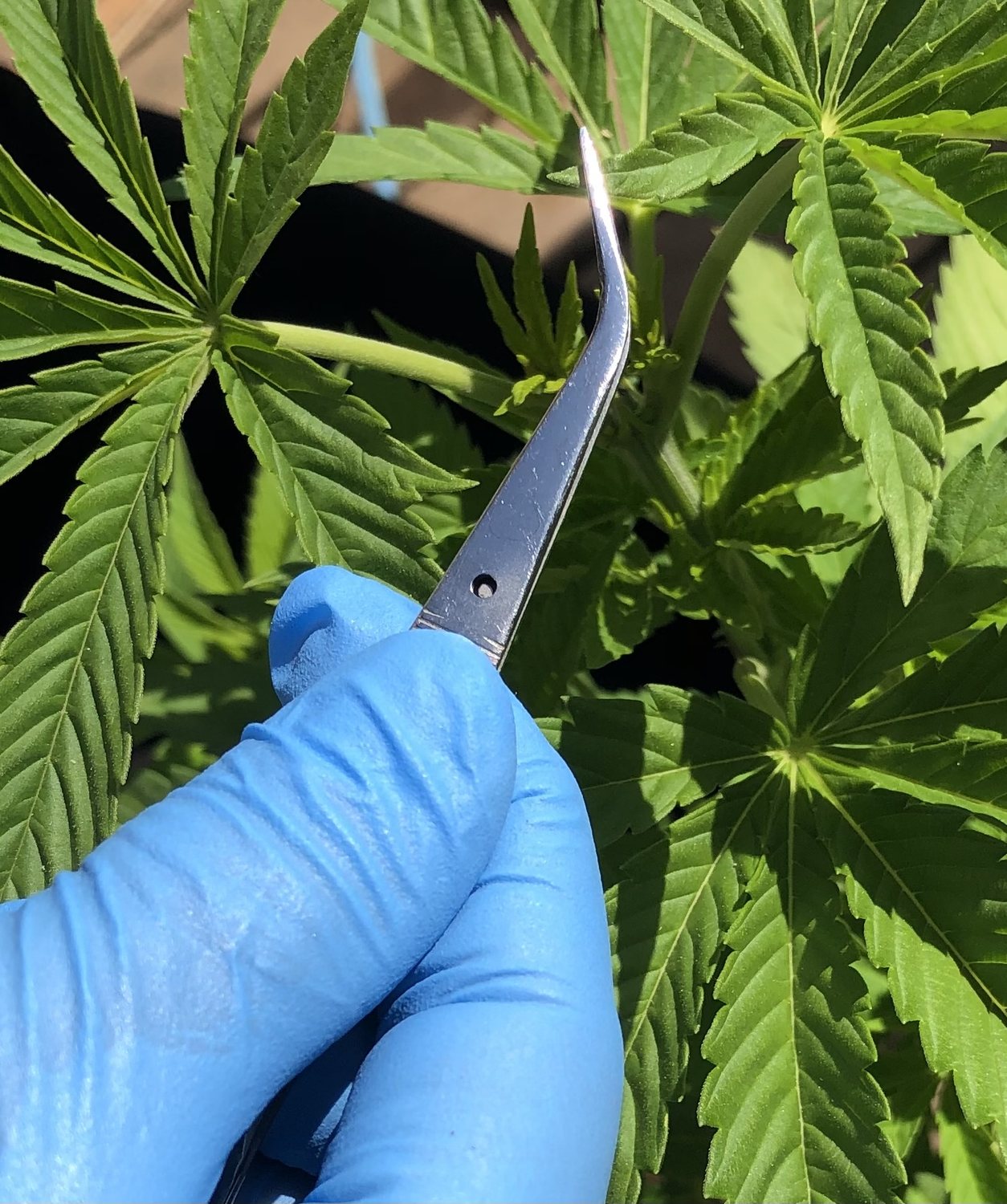
Scientific characterization does not replace breeder knowledge. It adds another layer of evidence to the genetic record.