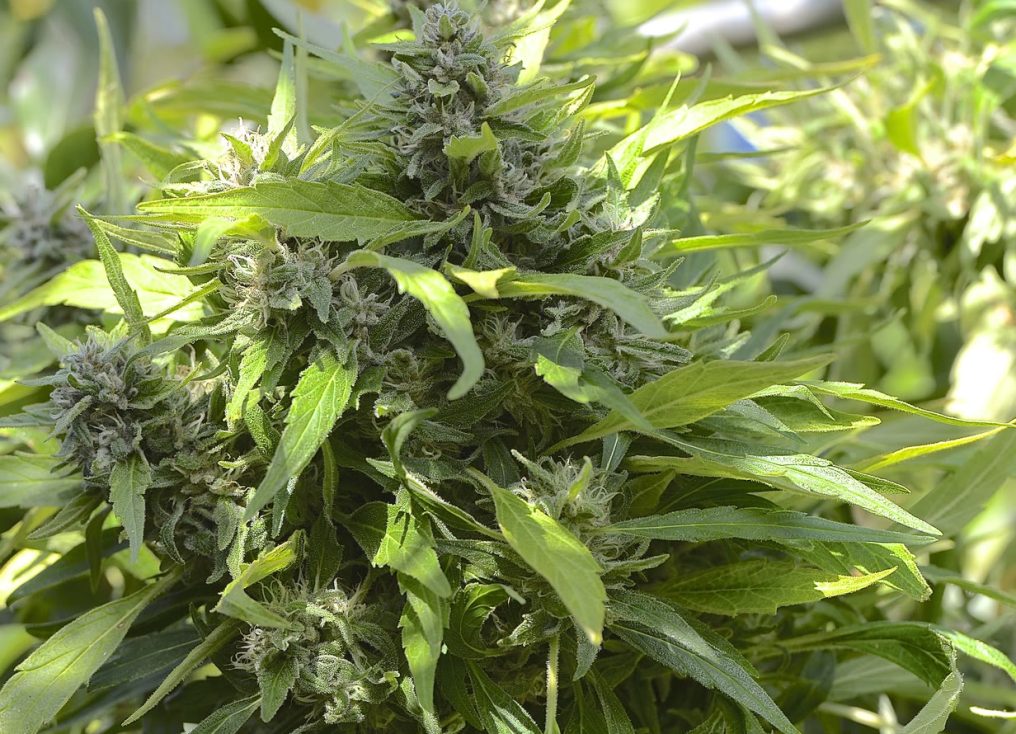
In cannabis, attention has historically centered on the female plant and that is understandable. Female flowers are what most people see, photograph, evaluate and ultimately associate with the plant but from a breeding perspective, that is only half of the genetic story.
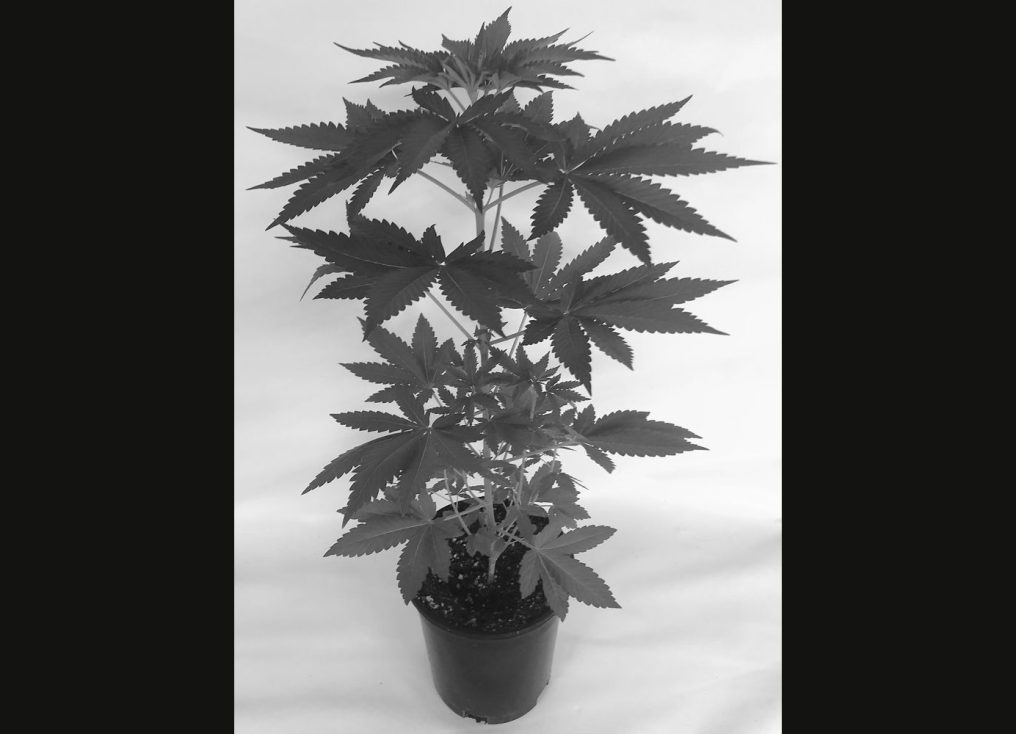
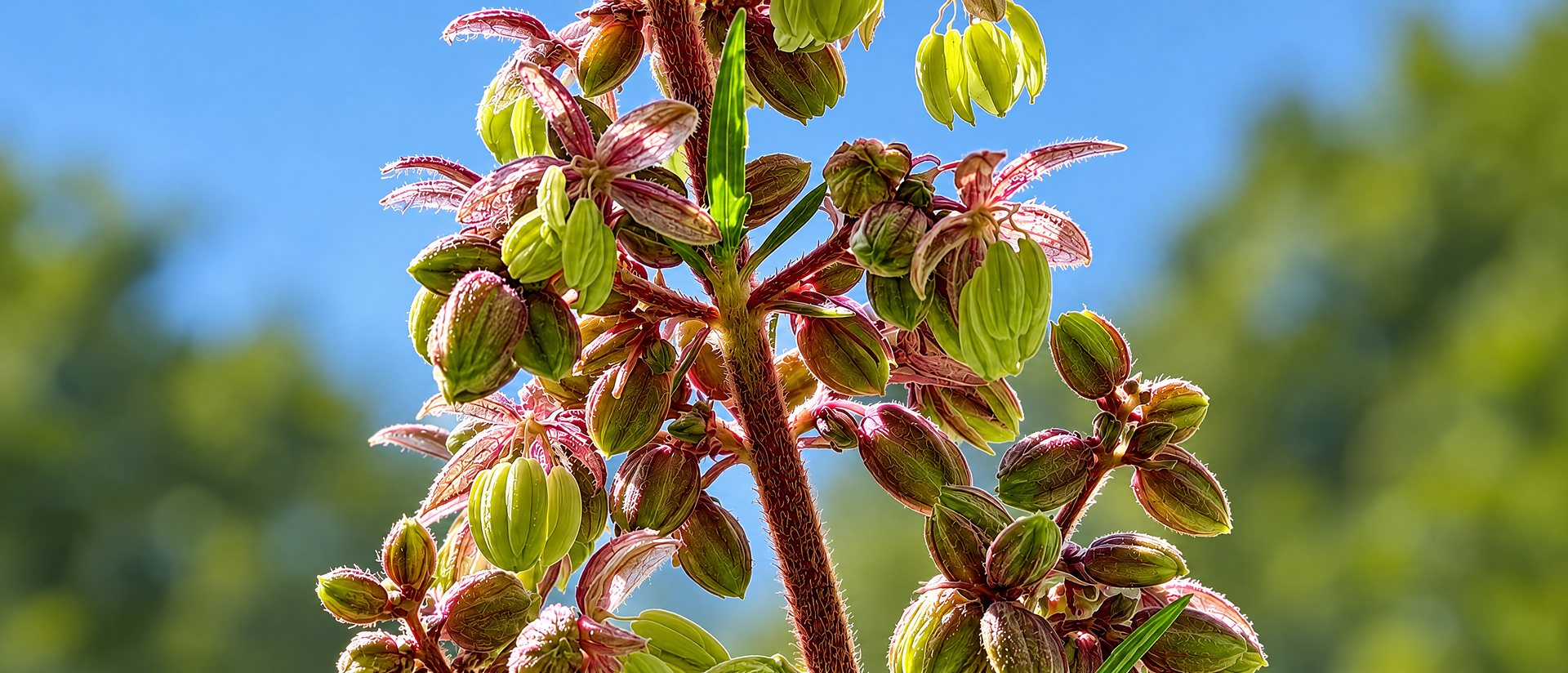
A male plant is much more than a source of pollen. Choosing a father means deciding about which genetics will contribute to the next generation and potentially many generations beyond it. Breeders look at the plant itself, including how it develops, it’s structure and vigor, the timing of reproductive development and what is known about the lineage and history behind it. Those observations become part of a much larger picture that develops over time.
There is also an inherent challenge in selecting males because many of the same characteristics associated with female flower cannot be evaluated in the same way on the male plant. A breeder must draw on knowledge of the genetic line, observations of the plant, previous generations and eventually, what appears in the offspring. Not every answer can be found by looking at a single plant and not every answer arrives in a single generation.
That uncertainty is part of what makes breeding both difficult and fascinating. A cross is made with an intention, but the offspring reveal how the genetics actually come together. Some characteristics may appear as expected, others may not and occasionally something emerges that gives the breeder an entirely new direction to explore. Each generation adds information to what was known before.
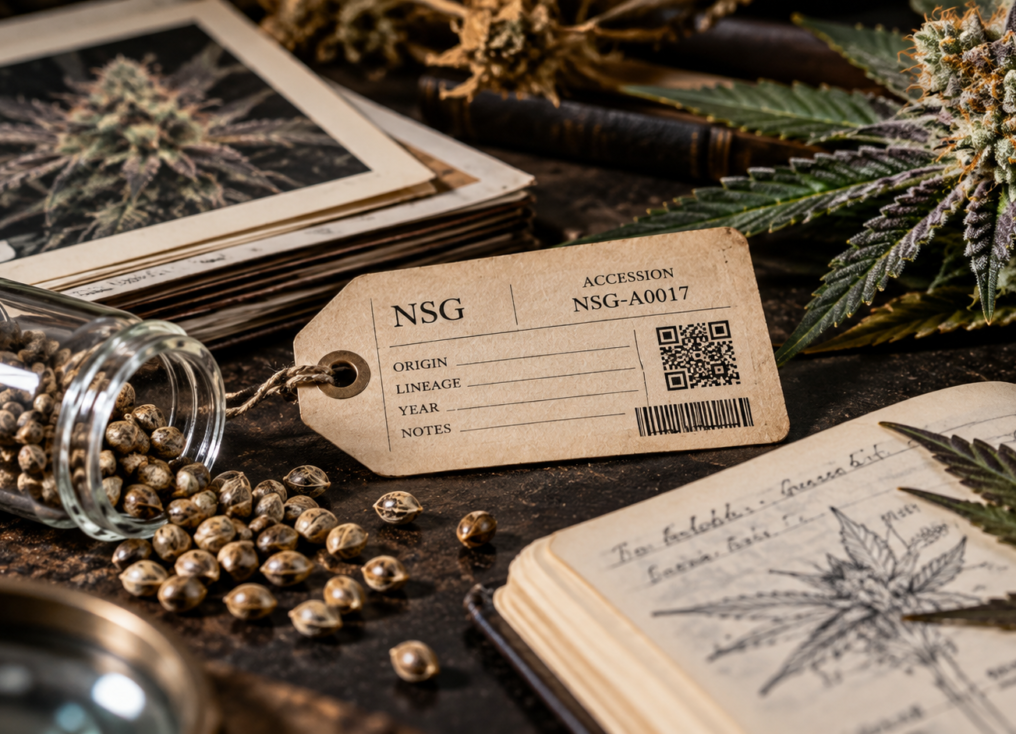
This is also why preservation must include the paternal side of the genetic story. Maintaining seeds is important, but so is preserving what is known about the parents that created them. Parentage, provenance, breeding records and observations across generations give genetic material context. Pollen can also be preserved as a genetic resource, allowing paternal material to remain available for future breeding work even when the original plant is no longer living.
For a genetic repository like ours, that distinction matters. The objective is not simply to accumulate biological material. It is to preserve genetic diversity while retaining as much knowledge as possible about what the material is, where it came from and how it relates to what came before and after it. Without that context, a seed may survive while part of its story disappears.
The importance of a particular cross may not be obvious when it is first made. Its significance might emerge in the offspring, several generations later, through scientific characterization or through breeding questions that have not even been considered yet. Preserving genetic resources gives future breeders the opportunity to return to that material with new questions, new tools and perhaps an entirely different purpose.
That is where preservation and breeding become inseparable. Preservation keeps genetic possibilities available, which breeding explores what those possibilities can become. Documentation connects the generations so that what is learned along the way does not have to disappear with the plants themselves.
Male plants rarely receive the spotlight, but their contribution is embedded in every seed that follows.