The gap in a collection
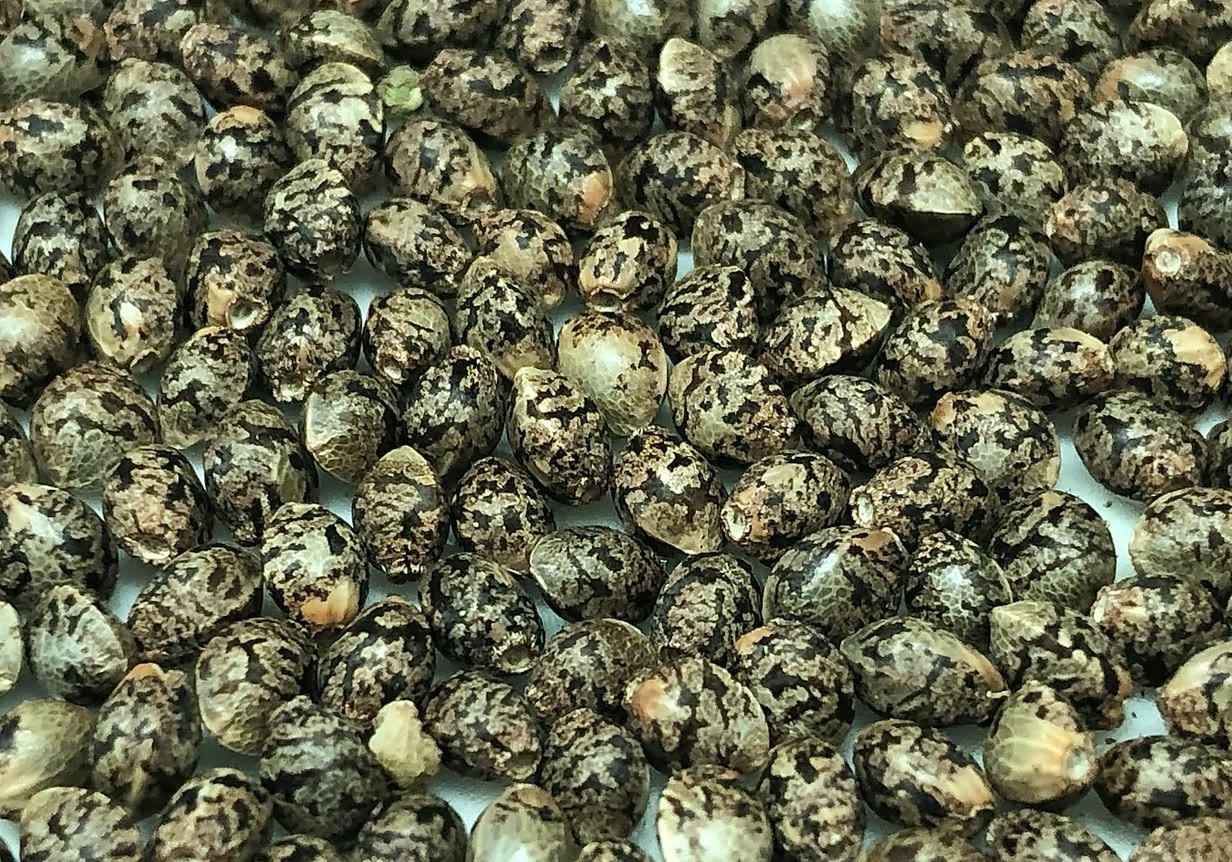
Hold a seed up to the light and you learn very little. Size, colour, the pattern on the coat — none of it tells you which plant it came from, which cross produced it, or what the grower was selecting for that season.
A collection that records only the material is a collection of unanswered questions. The genetics survive; the reasons do not.
The material outlives the memory, and the memory is half of what makes it useful.
What gets written down
Provenance is the plain record of where something came from and how it got here. Lineage is the shape of its relationships. Between them they turn an anonymous holding into something that can be reasoned about.
Neither is recoverable after the fact. Sequencing can tell you what a plant is; it cannot tell you why somebody kept it.
Why it compounds
Every season that passes without a record is a season of context that has to be reconstructed later, or lost. Documentation is not an administrative task appended to preservation. It is the part of preservation that decides whether the material can still be used in twenty years.